
A Season to Rebalance: Japanese Autumn & the Art of Deep Rest
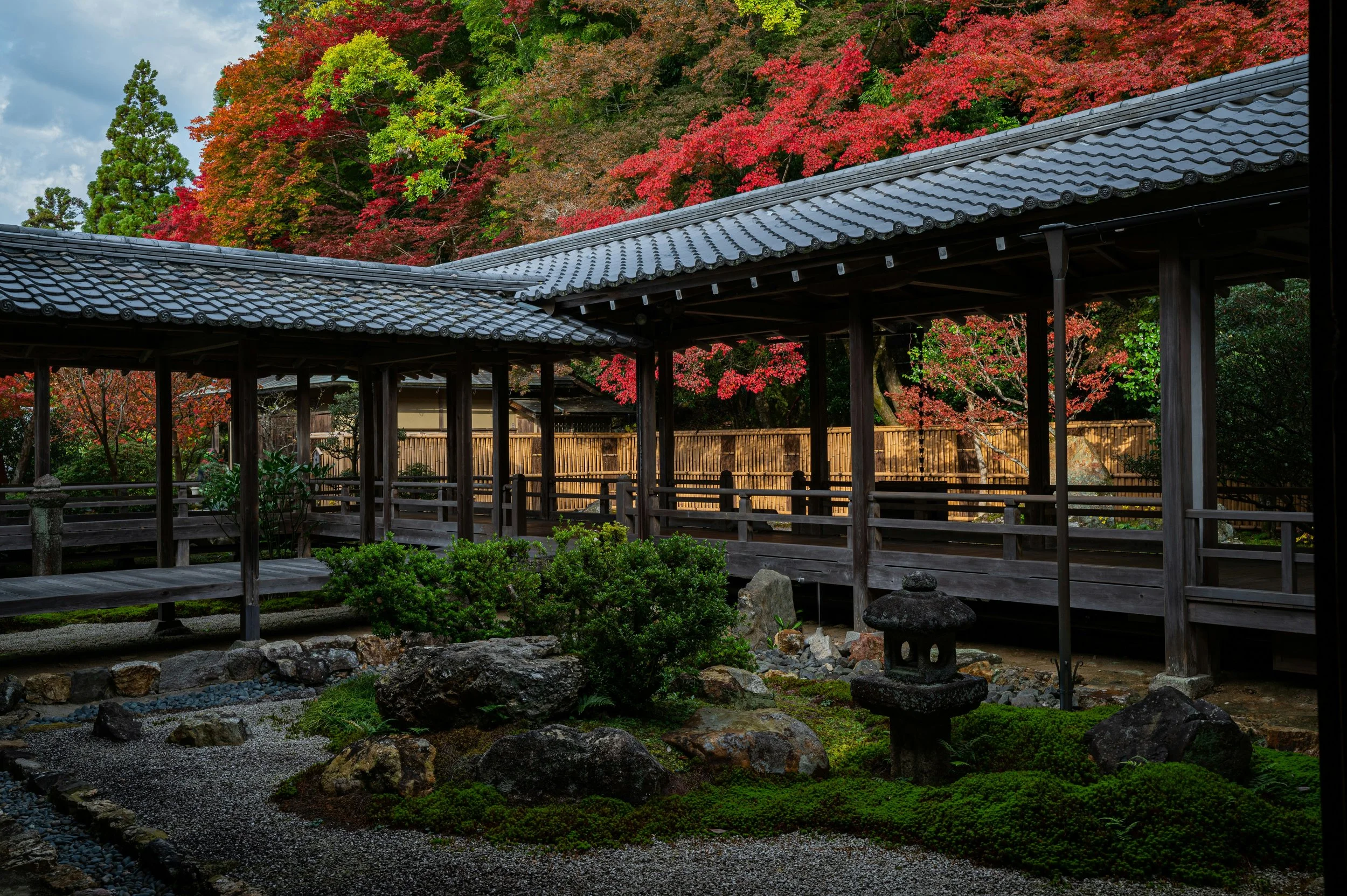
In Japan, autumn is a time to slow down, pause, and notice the beauty around us. The colours of the leaves, the sounds of autumn insects, the fragrance of flowers, and the warmth of a bath all mark the season. In Japan, these seasonal changes have long been woven into everyday life. For those exploring Japanese wellness in Vancouver, autumn offers a beautiful opportunity to slow down, rest deeply, and reconnect with the senses.
How Do Japanese People Notice the Arrival of Autumn?
Through Sight: The Colours of Autumn Leaves
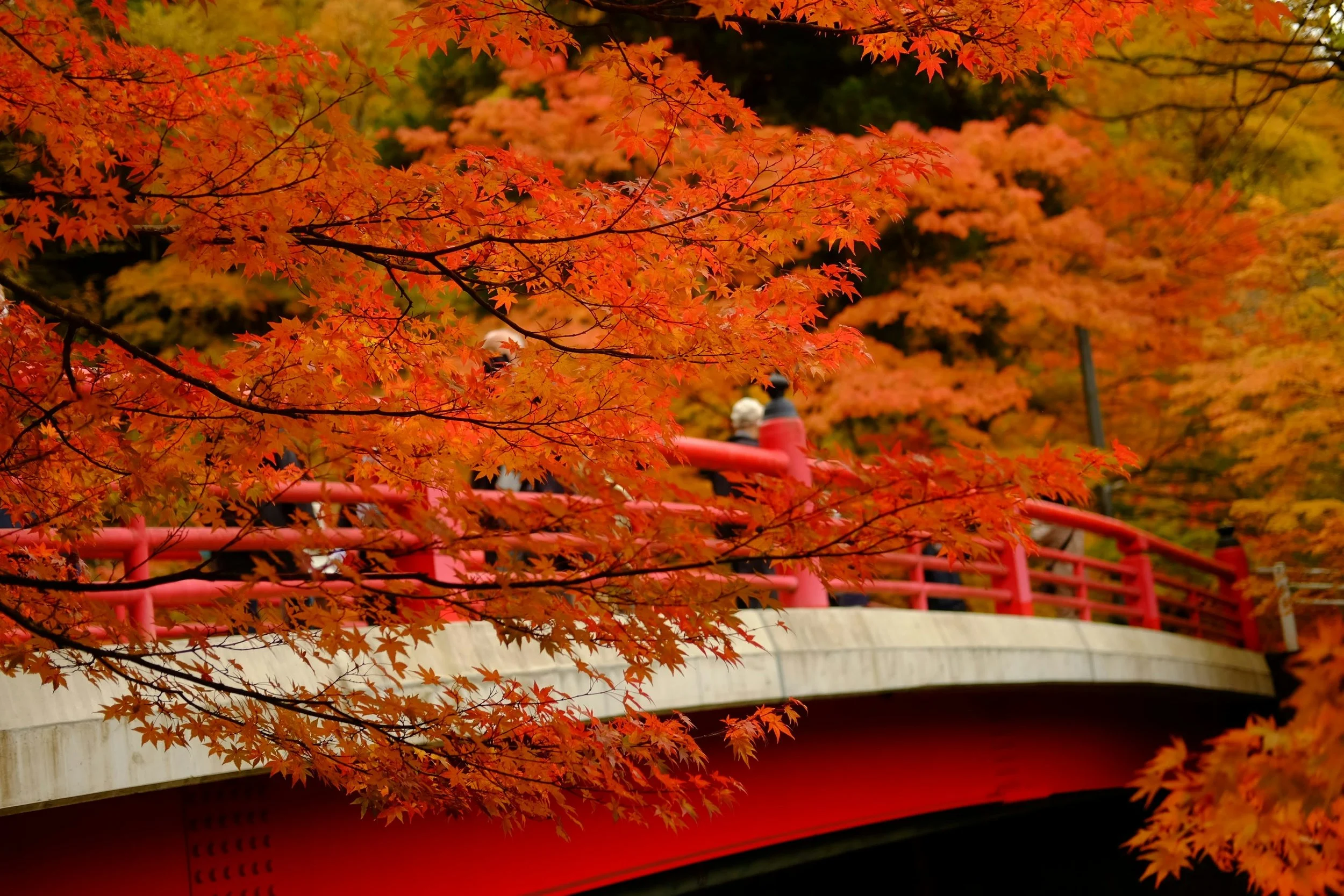
Click above to see Momijigari (紅葉狩り) in Japan.
When autumn arrives, the landscape of Japan begins to transform. Maple trees turn shades of red and orange, while ginkgo leaves become bright yellow. Visiting places to admire autumn foliage, known as Momijigari(紅葉狩り), is a beloved seasonal tradition. For a moment, there is nothing to accomplish. You simply look.
Through Sound: Suzumushi, the Song of Autumn
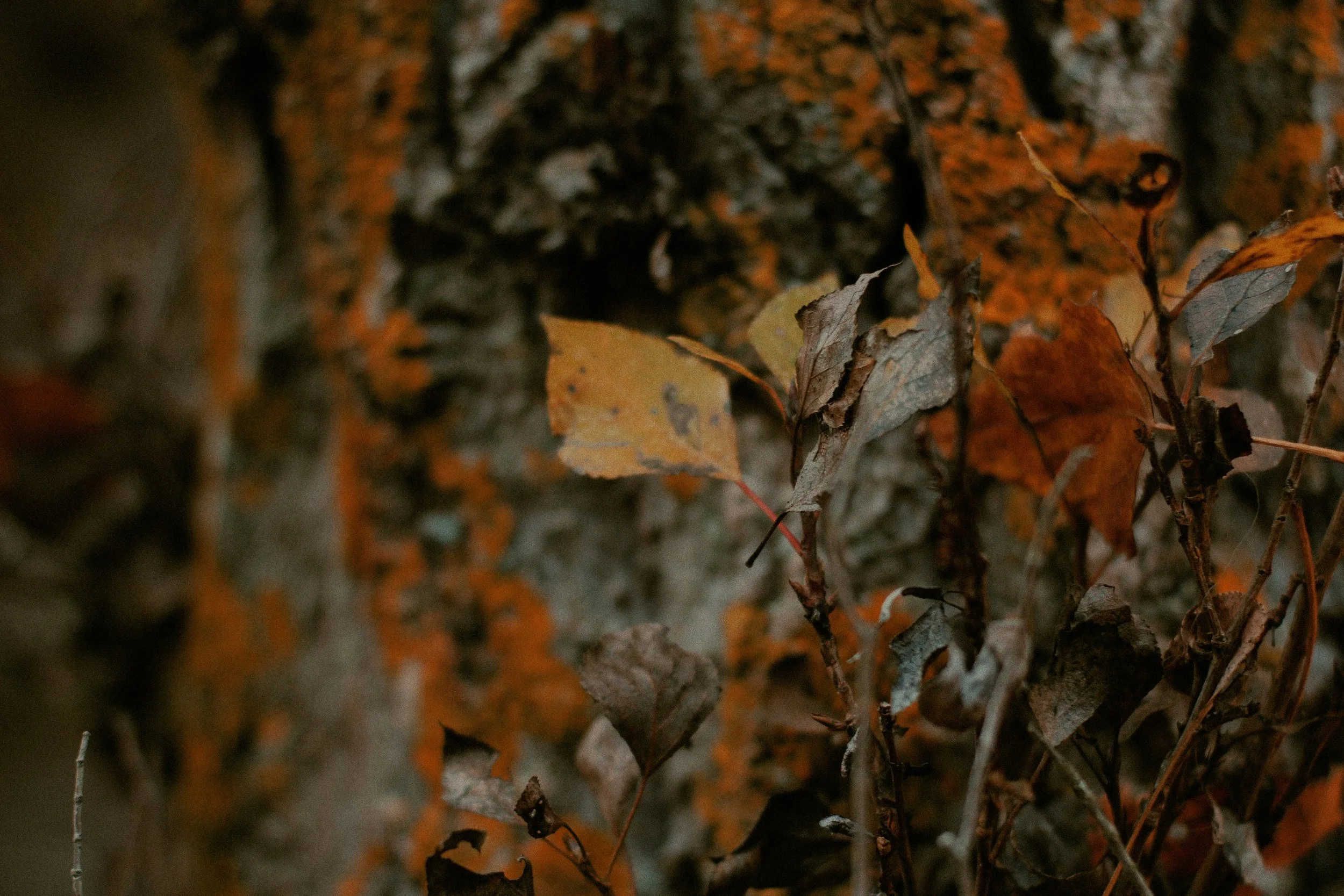
Click above to listen to the gentle song of the Suzumushi(鈴虫)
As the evenings become cooler, the sounds of crickets and Suzumushi(鈴虫) fill the night. In Japanese culture, the sound of insects has long been associated with the arrival of autumn. Listening to these quiet sounds can become a simple way of noticing the season.
Through Scent: Kinmokusei, the Fragrance of Autumn
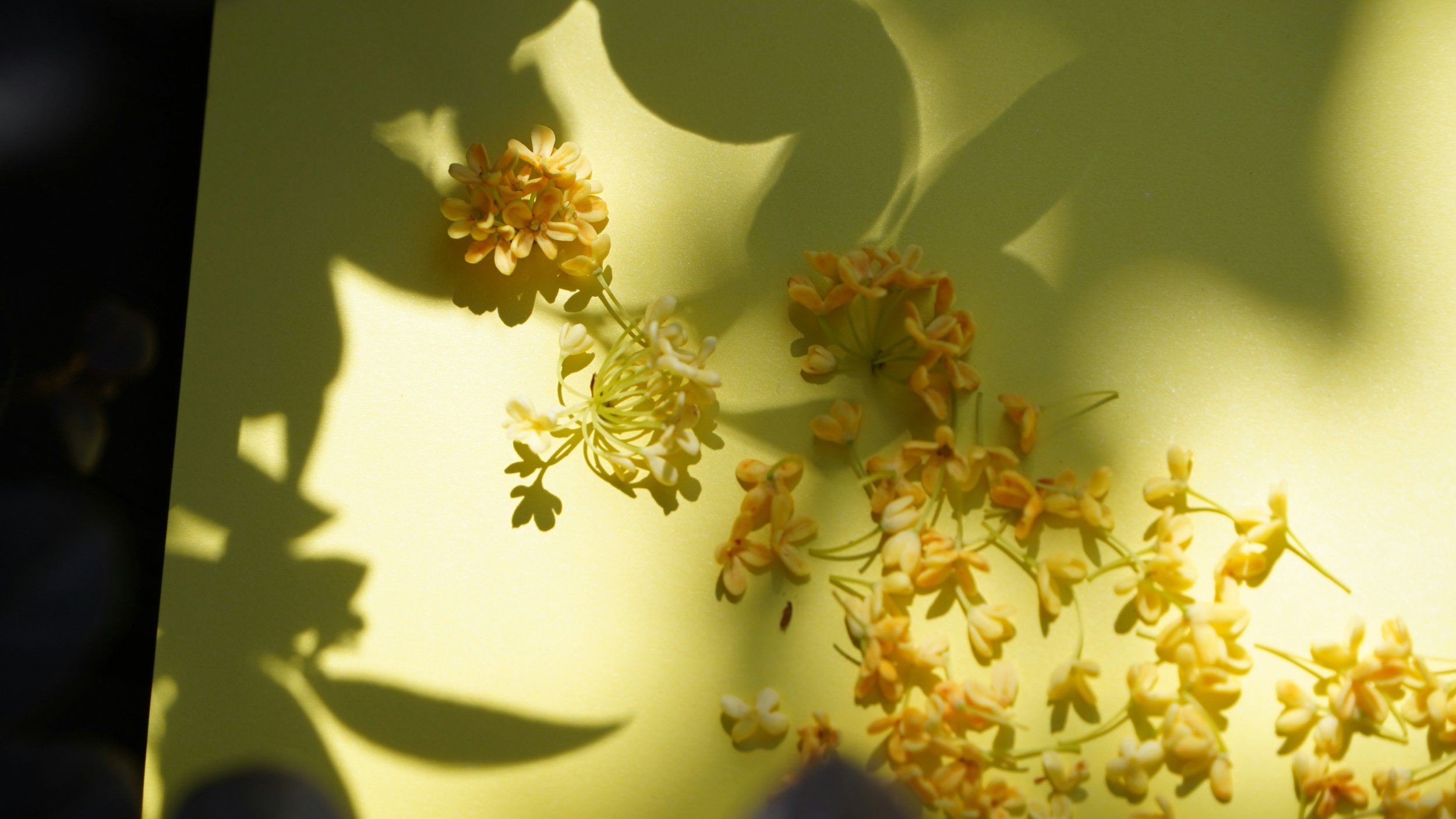
Click above to discover Kinmokusei(金木犀) , a beloved scent of autumn in Japan.
One of the most recognizable scents of Japanese autumn is Kinmokusei (金木犀). Its small orange flowers release a sweet fragrance that can suddenly fill a street or garden. You may not see where the scent is coming from. You simply notice that autumn has arrived.
Through Taste: The Comfort of Takikomi Gohan
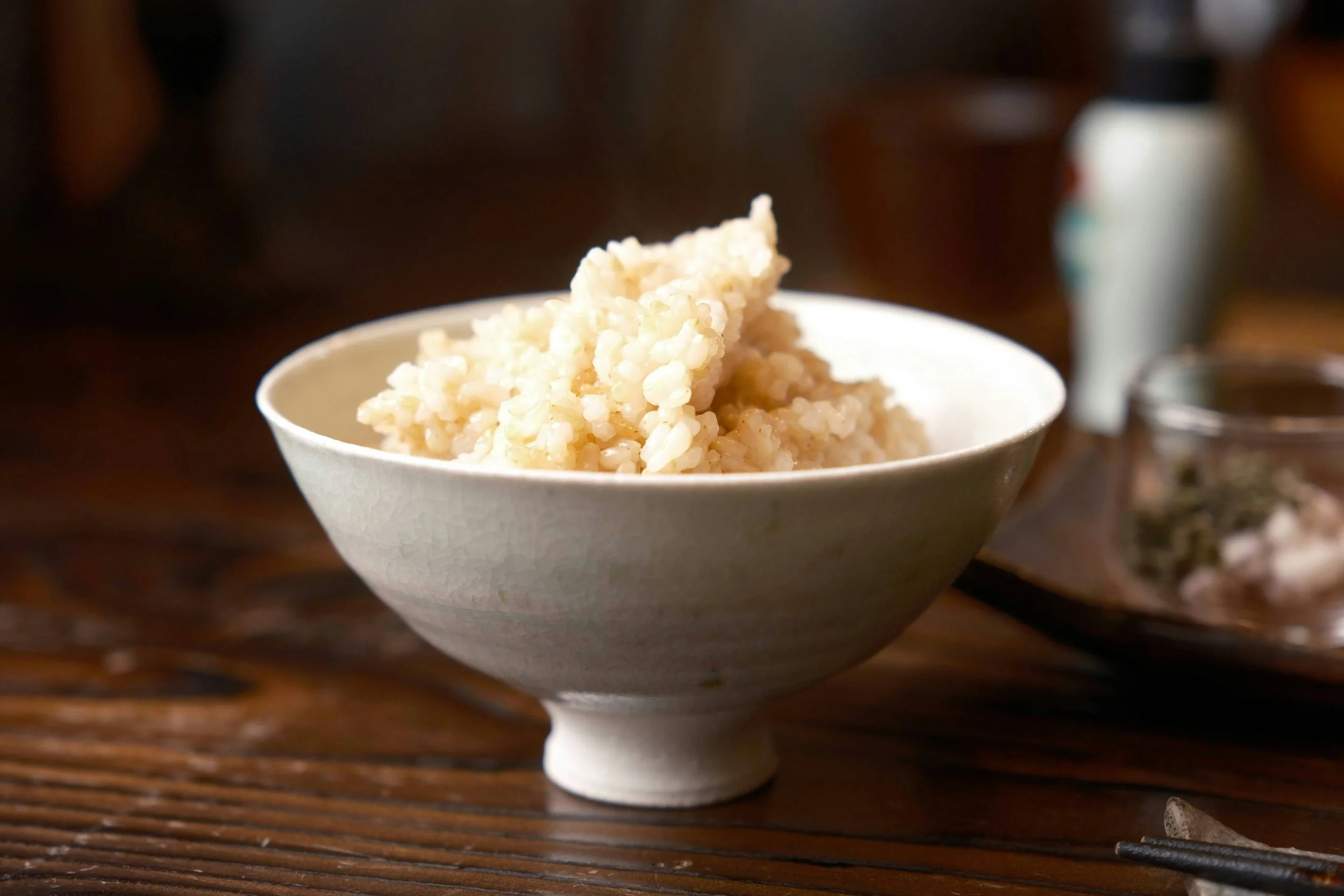
Click above to see how to make Takikomi Gohan (炊き込みご飯)
Autumn brings an abundance of comforting ingredients to the Japanese table: mushrooms, chestnuts, sweet potatoes, and freshly harvested rice. These seasonal ingredients come together in dishes like Takikomi gohan(炊き込みご飯), rice cooked with a generous mix of autumn flavours. In Japan, eating seasonally is not only about nourishment. It is also a way of appreciating the time of year.
Through Touch: The Warmth of Ofuro
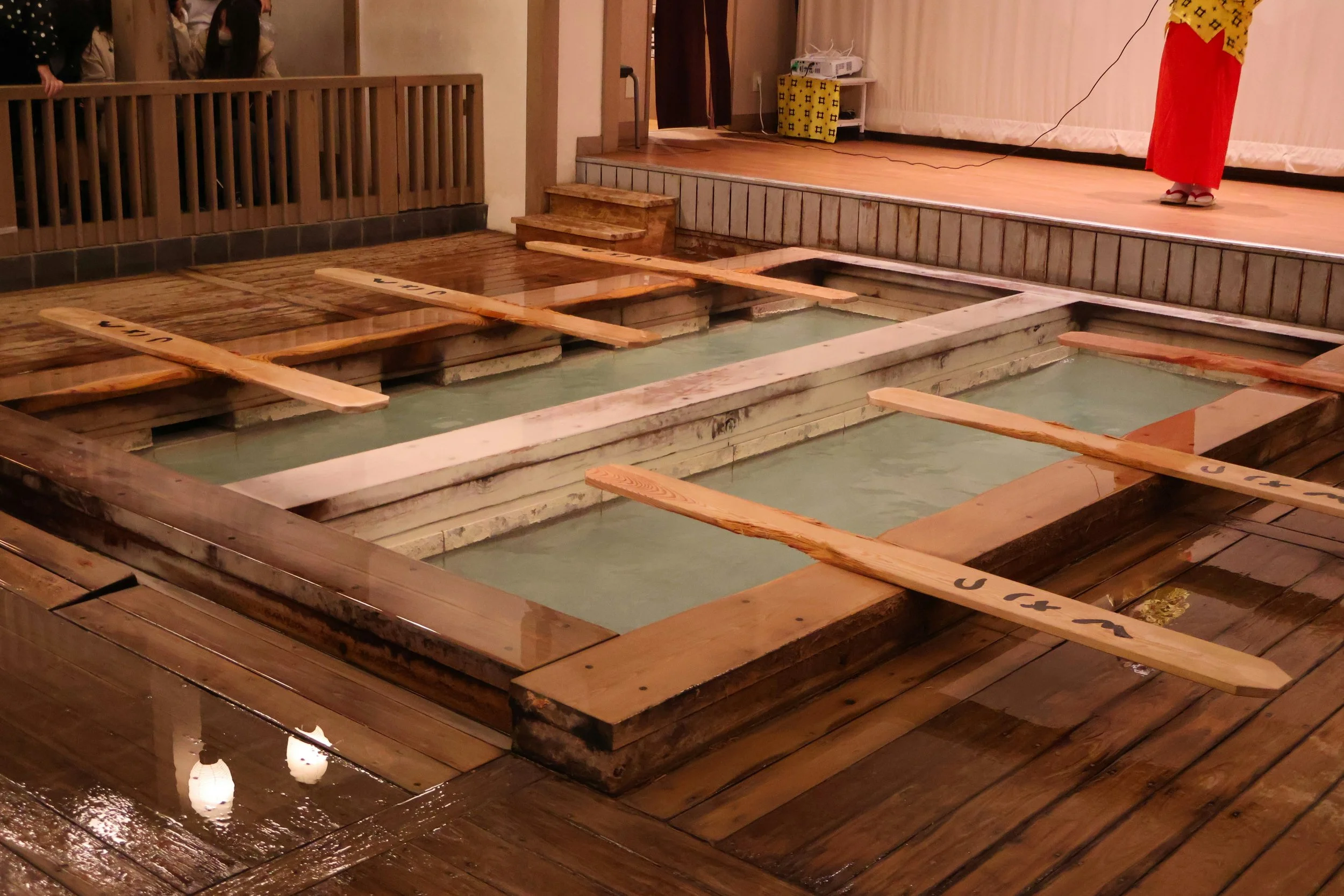
Click above to see how Japanese people enjoy Ofuro(お風呂)
As the air becomes cooler, the warmth of an Ofuro (お風呂), a traditional Japanese bath, becomes especially inviting. Bathing is deeply rooted in everyday Japanese life. At the end of the day, stepping into warm water can create a quiet transition from the outside world to a slower evening. Sometimes, rest begins with something as simple as warmth.
From Summer to Autumn: The Japanese Art of Embracing Seasonal Change
In Japan, seasonal changes are often welcomed through small, mindful rituals. A warm bath, a quiet cup of seasonal tea, or a few moments spent gazing at the moon can create a natural pause between the busy day and the quiet night. At Kiku Wellness, we think of this kind of space as Yohaku (余白), a moment intentionally left open for deep rest, quiet breathing, and simply being.
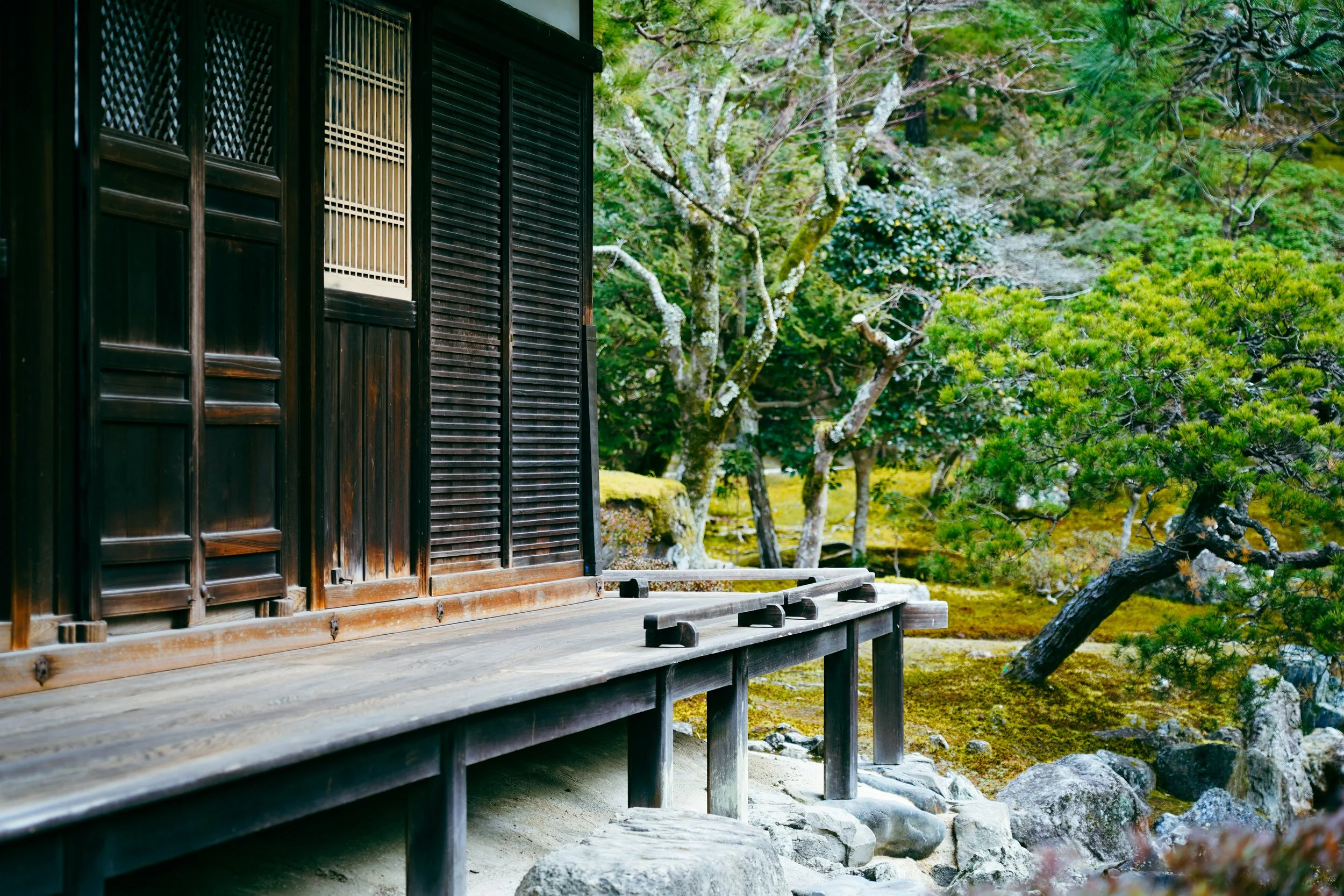
Why Do You Need Yohaku (余白) in Your Life?
Modern life often leaves little room to pause. Work, screens, and everyday responsibilities can keep the mind and body constantly engaged. At Kiku Wellness, we hope to be a place where you can step away from daily distractions, relax deeply, and reconnect with yourself.
How to Create Your Own Yohaku (余白): A Moment to deep rest at Home?
You do not need to travel to Japan to create a little Yohaku in your day. Try creating a small autumn ritual at home:
Make a warm cup of tea.
Take a few minutes to notice its warmth and aroma.
Put your phone away.
Give yourself a few quiet minutes without notifications.
Listen.
Open a window and notice the sounds around you.
Look up.
Notice the evening sky, the moon, or the changing colour of the trees.
These moments may seem small, but they create something valuable: space.

Experience Japanese Autumn Deep Rest
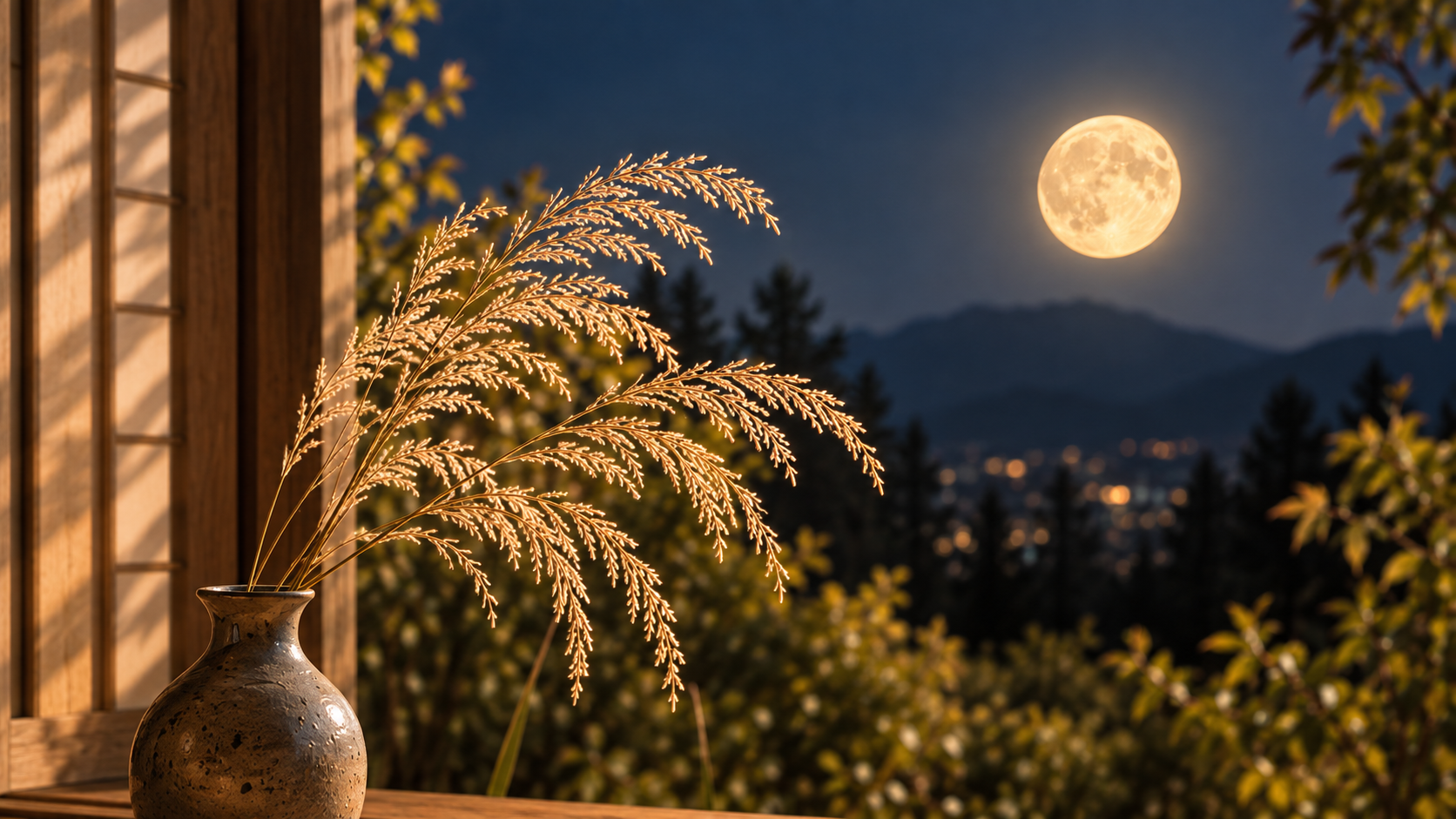
Discover 秋 AKI Treatment, our seasonal wellness journey inspired by the warmth, stillness, and sensory beauty of autumn. Warm stones, warm Guasha, and our original “Yohaku” aroma blend gently ease away tension. We invite you to create space for Yohaku (余白) in your everyday life.